


Yamadera (山寺), Yamagata (山形)
Kanto, Honshu, Japan
Autumn 2009

Kanto, Honshu, Japan
Autumn 2009

Yamadera is a scenic temple located in the mountains northeast of Yamagata City. The temple grounds extend high up a steep mountainside, from where there are great views down onto the valley. The temple was founded over a thousand years ago in 860 as a temple of the Tendai sect under the official name Risshakuji. Its popular name, Yamadera, literally means "mountain temple" in Japanese. It is where the well-known haiku poet Matsuo Bashō wrote his famous haiku on the silence "sinking into the rocks" and the "voice of cicada" in 1689.
The base of the mountain is located about a few minutes' walk from the Yamadera train station, and there are dozens of shops and restaurants that cater to the temple's many visitors. There is also a small visitor center just across the bridge along the way from the station to the temple.
The present Konpon-chūdō (Main Hall) is a Muromachi period (1333–1568) construction of beech, which is rare as a building material. The temples clinging to the steep rocky hillsides are picturesque and unusual. The thousand-step climb through the dense cedar trees is worth making to the temple at the top and for the view from there.
Crossing a scenic bridge in the mist to get to the destination...

A look in the train driver's cabin to show the extent of the mist...


When the sun came out, the array of autumn colours was simply dazzling!


Everything is just so scenic and picturesque...


As we climbed the 1,000 steps, we took in the hustle and bustle of activity on the temple grounds...


But the view on top was exhilarating enough to be worth it!


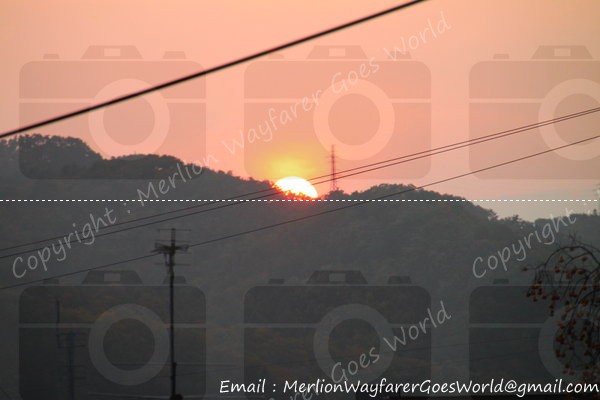
We saw the sunset on the way down...
Back on level ground, we sampled many of the local delicacies to make up for the calories lost!

The full album is available at:
Yamadera's Thousand Step Panorama


