Bali Hai

The cotton wool clouds, the fine grains of black volcanic sands, the clean sea waters - one can just lie on the beach and while the time away with a tan beneath the balmy tropical sun...

The Volcanic Islets Of Onuma

Ōnuma Park is known for its picturesque, island dotted lakes and majestic dormant volcano, Mount Komagatake. Surrounded by birch and maple forests, a total of 128 small islands can be found in its lakes...

A Journey Over Mountains & Waters

A land of rocky mountains, snaking rivers, steep slopes, deep valleys, and harsh barren terrain. Yet in some places, lush greenery and crystal-clear azure waters abound...

The Bluest Pacific Seas

In the middle of the Pacific Oceans lies an archipelago of islands formed from the fiercest violent volcanoes and made of the browns and greys of cooled lava rocks. The resulting landscape is breathtaking in its purest greens and blues...

Sounkyo's Silver Streams

Bordered by 100-metre cliffs formed by the erosion of tuff, Sounkyo Gorge is situated at the foot of Mount Daisetsuzan - the "roof of Hokkaido", and stretches for 24 kilometres along the Ishikari River...

Showing posts with label Maoxian. Show all posts

The Zangs - A Visit To A Tibetan Household

Dagu Glacier (达谷冰川)
Sichuan (四川), China (中国)
March 2013

Merlion Wayfarer was fortunate that her travel itinerary included a visit to a Zang household. After seeing many houses along the way, it was indeed fascinating to be finally going inside one!
   

A Wood-And-Brick House

 
The house is a short walk from the road. This is probably due to the admirable efforts of the government to improve the living conditions of the ethnic minorities.

The house as seen from the outside. Over in this village,
there are no need for tall fences to keep people out...

The exterior of the house is made from split stones glued together with clay...

Like several other ethnic minorities,
a cattle skull placed over the front door guards over the entrance to the house... 

The Tibetan-style windows are distinctive with their U-shapes and colourful frames... 

The heavy front door with a tinge of Chinese influence in its lion head brass knocker...

Warm In Winter, Cool In Summer

 
Due to the freezing sub-zero temperatures in winter, the houses built must be suitable for the weather conditions. These houses are warm in winter and retain heat well, yet are cool in summer when the temperature hits 30 degrees Celsius.

Blue-tinted indoor neon lights...

Beautiful woven carpets with plant motifs...

The family's utensils are placed in polished handcrafted cupboard which fit snugly into the wall recess...

Longings of Potala in Lhasa are hinted in this poster 
stretching the half the length of the entire living room...

According to Tour Guide C, this house has no flush toilets. Running water is via the river behind the house. Due to the cold weather, there are no bathing facilities. If need be, hot water is boiled in a tub for a bath.

Yak Butter Tea


It was in such cosy conditions that Merlion Wayfarer and her group got to enjoy the warm hospitality of the Tibetan family and a warm cup of "Yak Butter Tea" heated over a stove started with a wood fire.


The Outside

 
Upon stepping out of the three-storeyed house...

Cattle and yaks roam about freely on the streets of the village...

Beware where you step! Lots of landmines around...

Their "garden'" is an indication of their simple lifestyle...

It does take a lot of effort to cut down all the trees and split this amount of firewood!

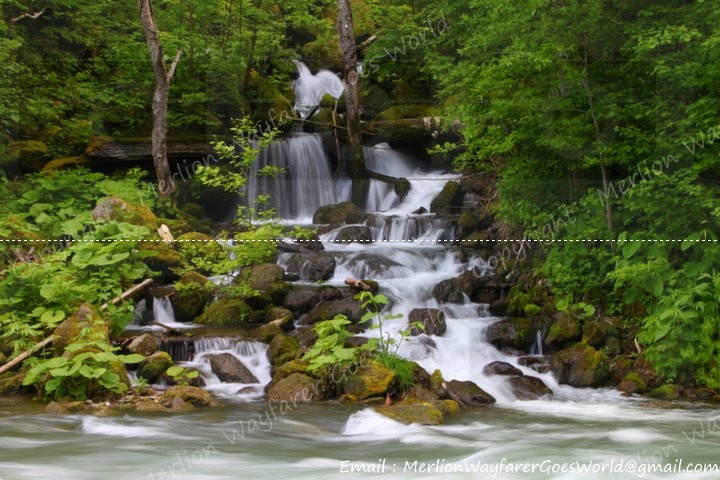
Just a few steps away one sees a pretty little waterfall...

Mounds made from clay are put out on the bridge to dry.
When ready, they will be painted and placed as decorations on the house...

A pretty stone-paved walkway leading from the house...

On the hillocks behind the house, the herd grazes quietly...

How the wood-and-brick house on the hill looks like...


The Family


When Merlion Wayfarer was there, only the mother and the daughter were at home. The feeling she got from interacting with the two was that they were carefree and contented leading their simple lifestyles.


Children exist in carefree surroundings...

A polite girl, she smiled at every camera without fail and said a shy "谢谢" (thank you) for each time she received a packet of candy or snacks...


Ethnic minorities are not limited by the one-child policy, yet each child is the pride and joy of the family...


More photos are available on Merlion Wayfarer Goes World's Picasa at :
Sichuan - The Zangs (藏族人)


Sources


The Zangs - Yak Butter Tea

Dagu Glacier (达谷冰川)
Sichuan (四川), China (中国)
April 2013

Yak butter tea (酥油茶) is a drink of the Tibetans and Chinese minorities in southwestern China. It is also consumed in Bhutan. Made from tea leaves, yak butter, and the optional salt, drinking butter tea is a regular part of Tibetan life. Since butter is the main ingredient, this tea provides plenty of caloric energy and is particularly suited to high altitudes. It is said that the butter may also help prevent chapped lips.

According to the Tibetan custom, butter tea is drunk in separate sips, and after each sip the host refills the bowl to the brim. Thus, the guest never drains his bowl; rather, it is constantly topped off. If the visitor does not wish to drink, the best thing to do is leave the tea untouched until the time comes to leave and then drain the bowl. In this way etiquette is observed and the host will not be offended.

Hot tea cooking on a wood-fire indoor stove. 
A warm respite for the near-zero spring temperatures outisde...

What Merlion Wayfarer ate was the staple food of shepherds who are often out the whole day with their herds of goats or yaks.

Tsampa (糌粑) is a Tibetan staple foodstuff, particularly prominent in the central part of Tibet and southwestern China. Made of roasted flour, usually barley flour and sometimes also wheat flour, it is usually mixed with the Tibetan butter tea. Butter tea is also used for eating tsampa by pouring onto it, or dipping the tsampa into it, and mixing well.

The bowls with the tsampa (the beige powder), a lot of sugar and a slice of yak butter...

Early each morning, each shepherd would bring the tsampa with them, together with their tea in a flask. When it is time for a meal, the tsampa is mixed with the butter tea and kneaded into a dough or paste. A huge dollop of sugar is often added. 

Tour Guide E and the lady of the house serves us piping hot tea...


Bowls in various stages of mixing...


[YouTube Video] This is how it's done:

The end result looks and tastes like sesame paste (芝麻糊). The yak butter tea is like a mild version of English Breakfast Tea with sugar and fresh milk. Despite being made with curdled milk, there is no trace of a cheesy nor buttery taste. Drunk by itself, the warmth of the tea is a welcome respite from the icy highland chill.
  

More photos are available on Merlion Wayfarer Goes World's Picasa at :
Sichuan - The Zangs (藏族人)


Sources


Away To High Places - Altitude Sickness

Maoxian (茂县) - Jiuzhaigou (九寨沟) - Dagu Glacier (达谷冰川) 
Sichuan (四川), China (中国)
March-April 2013

Merlion Wayfarer was pre-warned by her tour leader and her friends about the effect of altitude sickness. And she was certainly freaked out about it!

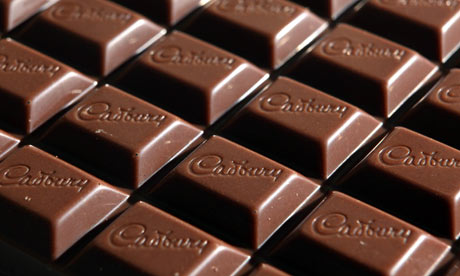
Friend K said when she was in Nepal, she could not eat anything during the entire trip and had to rely on just chocolate bars. (OK, so Merlion Wayfarer prepared herself and brought lots of Oreos and Cadburys!)
(Sources : Wikimedia & The Guardian)

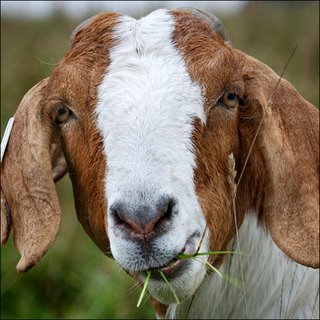
Friend K also said that it was not possible to eat much meat on high altitudes as it may not be fresh due to the transportation required. And that be prepared to eat a purely vegetarian diet. (Oh no, jiak chao (吃草) like a goat?!)
(Source : Wordpress)

Tour Guide E said that one's stomach would shrink due to the altitude. This would result in digestive discomfort conditions, e.g. wind, loss of appetite...

He also proposed that tour members experiment by counting their heartbeats in Chengdu and at the higher altitude. An increase of at least 1.5 times was expected. (Oh my poor heart? No wonder Tibetans have a higher concentration of oxygenating red blood cells!)

Despite the cold weather, Tour Leader C reminded all to avoid alcohol and hot springs as these could increase one's blood pressure significantly...

Merlion Wayfarer panicked. She even went to see the doctor in search of a prescription or medication for altitude sickness.

Well, were these true?

When we reached the mountain lodgings, our bloated packets of food were showing the effects of high altitude - All bloated! Imagine the same thing happen to your stomach!
   

Merlion Wayfarer saw these conditions happen to her tour group:
  • The tour guide had pinkish cheeks much like the Tibetans despite putting on sunblock. His face also showed signs of skin aging with visible spotting despite being only in his 30s.
  • Group Member A suffered from excessive flatulence during the entire mountain trip and kept burping.
  • Group Member B experienced non-stop diarrhoea for three consecutive days.
  • Group Member C could not eat much during the entire trip.
  • Group Member D could not hear anything well even when questions were asked several times.
  • Group Member E had a very bad stabbing headache when descending from the high altitude too quickly.
  • Group Member F could not breathe properly.
  • Group Member G became absent-minded and careless.
  • Group Member H could not see clearly due to the reflection off the snow.
  • Group Member I developed more freckles after leaving the mountains.
  • Several group members also showed signs of sunburn with watch/ring bands with lighter coloured tones and peeling skin.
 
According to the locals, altitude sickness can be alleviated by:
  • Slowing down one's pace of walking
  • Avoiding running and any fast-paced or strenuous activities
  • Taking deep breaths
  • Not losing one's temper unnecessarily 
 
Well, yoga breathing did indeed help!
(Source : Wordpress)


More photos are available on Merlion Wayfarer Goes World's Picasa.


Treacherous Mountain Roads - Is Your Life Worth 100 RMB?

Maoxian (茂县) - Jiuzhaigou (九寨沟) - Dagu Glacier (达谷冰川) 
Sichuan (四川), China (中国)
March-April 2013

Merlion Wayfarer noticed a tour member on the bus giving 100 RMB to the bus driver on the last day of the tour. 100 RMB is equal to about S$20 (5 RMB = S$1). 

(Source : DrPinna.com)

Considering that the tips for a typical China trip are 25 RMB per day for both the local guide and the driver, with an additional S$2 per day for the accompanying Singapore tour leader, multiplied by a bus load of about 20 pax over a typical period 6-10 days... The amount the bus driver gets from tips alone can be quite significant.

Is it worth giving the extra amount?

A typical trip made by the tour bus consists of long hours of driving from 0800-2200 hours daily over a period of at least one week through these road conditions...
  • Snaking through traffic jams with vehicles and pedestrians that may or may not obey traffic rules and lights...
    (Traffic warden volunteers are required to better manage such traffic conditions on major roads)
  • Parking a bus next to another few without scratching any bus or knocking down any person...

  • Tunnels with no or very poor lighting...
  • Fog/Mist/Rain with low visibility and rock surfaces just inches from the bus...
  • Tunnels or roads that are under construction or repair or closed to traffic without sufficient preemptive-warning...
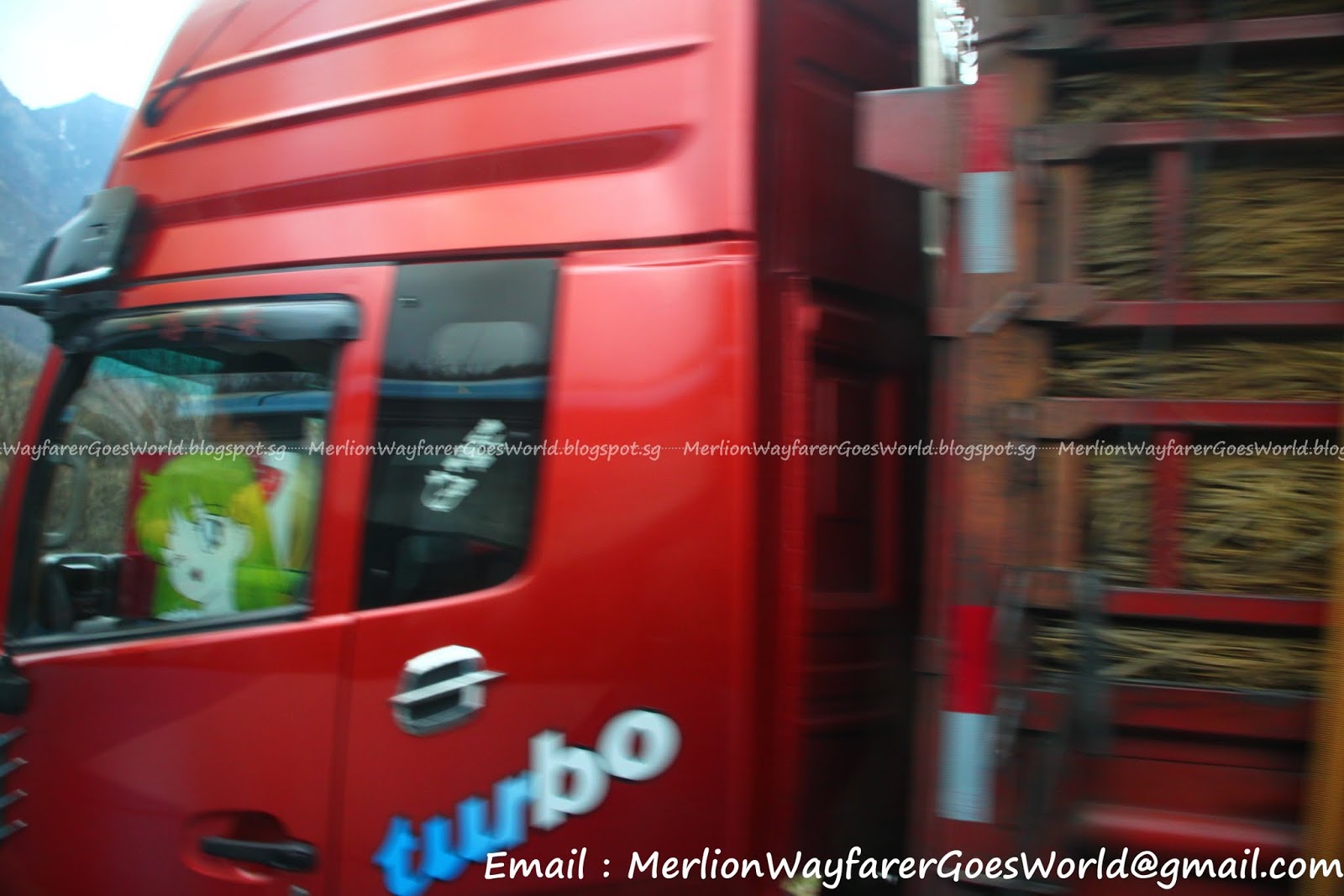
  • Fast-speeding heavy vehicles that overtake with little warning...
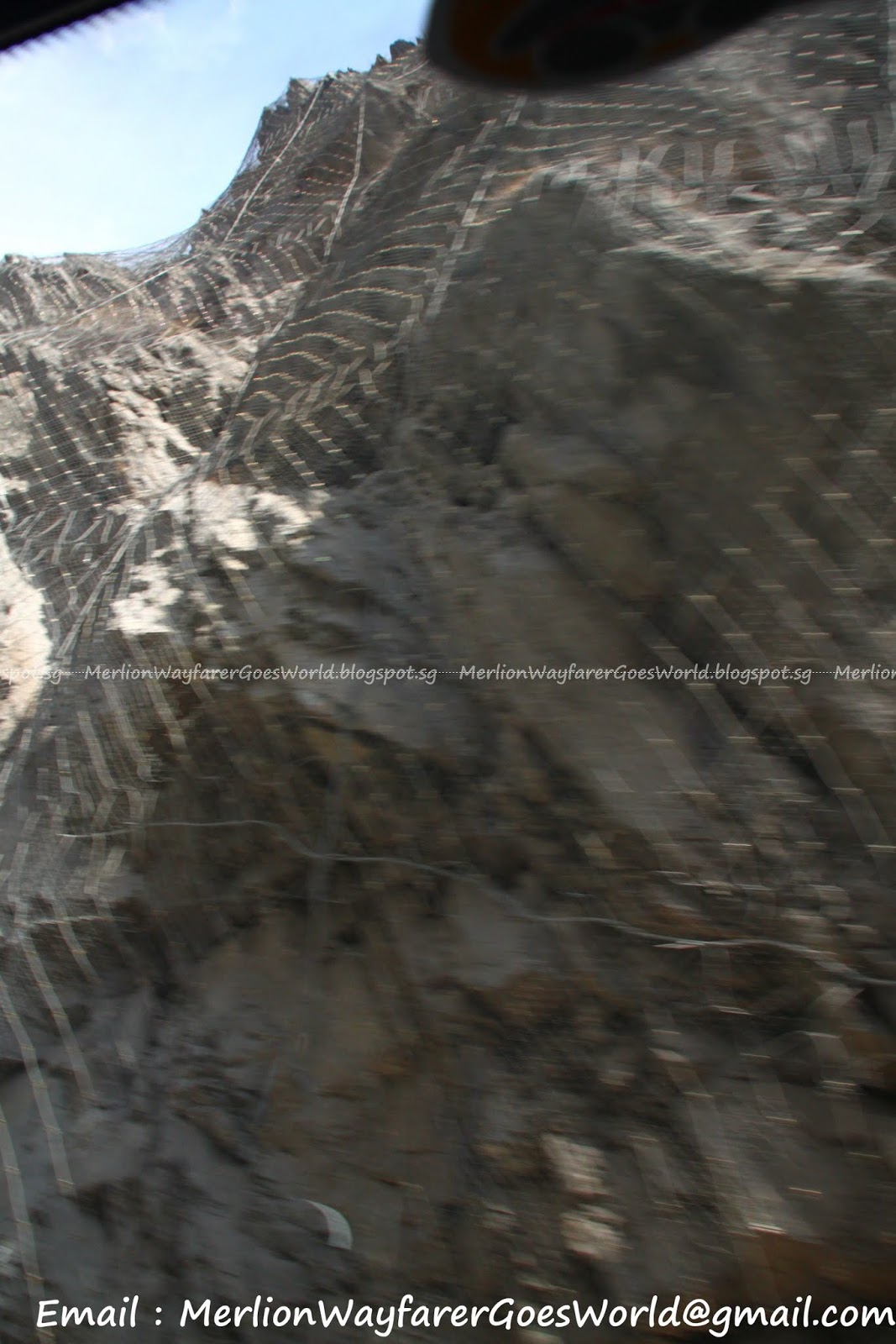
  • Mountain roads with wire meshes holding the loose stones on the cliffs together to protect vehicles travelling on the roads and a lot of evidence of landslides...
  • Signs showing the dangers on the roads - some knocked down by other drivers, some still upright to scare other drivers...
  • Not one S-curve but three! Mountain roads that Jay Chou will have difficulty speeding on in Initial D...
(See how slanting the buses are just by going around the bends?)
  • The road that the tour bus travelled on with just a hand span's width to the ravine below...
  • What lies below...
  • A section of the collapsed road directly behind the bus...


Merlion Wayfarer's conclusion:
Is your life worth just the extra S$20?

- An affirmative YES! -

With this note, Merlion Wayfarer wishes to express her thanks to the excellent driving of her bus driver which has kept her group safe throughout the duration of the tour. She also appreciates the risks that her tour guide takes to maintain a good presence by standing in front of the bus to speak to the group. May the driver's superb skills continue to ensure the safe passage of all upcoming future tours in which he participates in.


More photos are available on Merlion Wayfarer Goes World's Picasa at :
Sichuan - Roads